
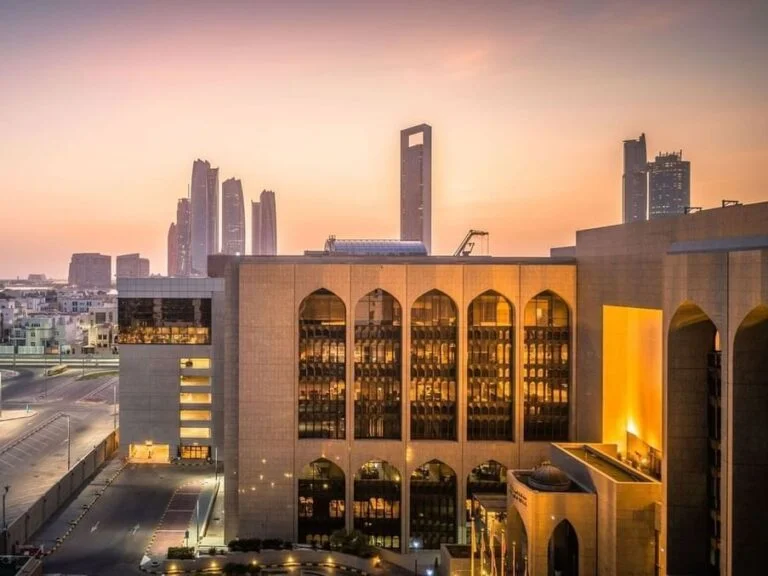
According to official data and local and international reports, the UAE economy continued to grow in the first few months of 2026 thanks to the robustness of the banking and financial industry as well as growing signs of foreign trade and investment. The UAE has established itself as a model of stability and adaptability in dealing with changing problems, thereby solidifying its sustainable leadership at the regional and international levels. The Central Bank of the United Arab Emirates (CBUAE) reports that total banking assets surpassed Dhs5.472 trillion in February 2026, up 1.1% from Dhs5.414 trillion in January.
Domestic credit increased by Dhs20.6 billion, contributing to a 1.2% increase in total credit to Dhs2.63 trillion. Resident deposits increased by 1.7% to Dhs3.098 trillion, while bank deposits increased by 1.9% to Dhs3.4 trillion. The financial sector in the United Arab Emirates is still very stable. The capital adequacy ratio was 17% at the start of March, while the liquidity coverage ratio was over 146.6%, both of which were far higher than international regulatory requirements.
Leading national banks including First Abu Dhabi Bank (FAB), Abu Dhabi Commercial Bank (ADCB), Emirates Islamic, Emirates NBD, and Commercial Bank of Dubai were included in Forbes’ 2026 list of the greatest banks in the world. The UAE’s sovereign strength has been confirmed by international rating agencies. Following its periodic assessment on March 30, 2026, Moody’s maintained its Aa2 rating with a stable outlook. Concurrently, S&P Global Ratings maintained the UAE’s AA/A-1+ sovereign credit rating with a stable outlook for both domestic and foreign currencies.
Also Read:
Gautam Adani overtakes Mukesh Ambani to become the Richest Person in Asia
Minister: UAE Food Supply Chains are More Resilient Than Ever
About Author