
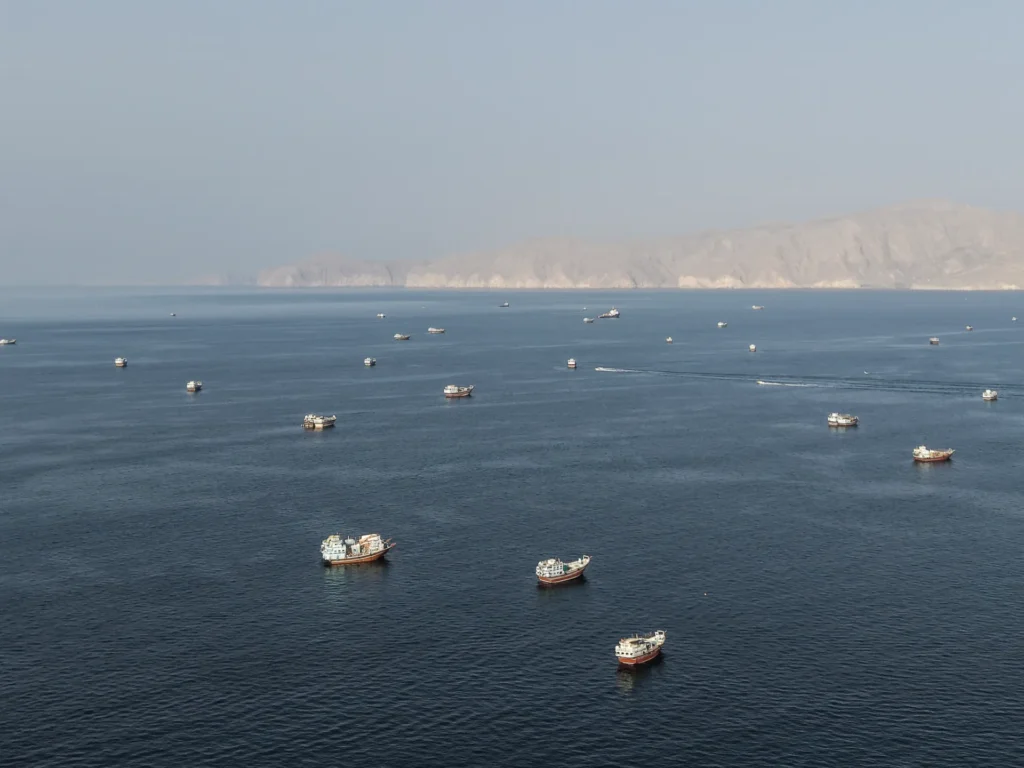
According to maritime surveillance company Kpler, crude oil exports from the Middle East Gulf region—aside from Iran returned to pre-war levels in September despite attacks on ships in the Strait of Hormuz. The recovery came after export channels in the area shifted.
Between September 1 and 28, at least 16.5 mbd (million barrels per day) left the area, which is equal to the pre-war average excluding Iran. According to the company, that is 10.5 mbd higher than the monthly average for March.
However, pipelines in Saudi Arabia and the United Arab Emirates provide important alternate routes, and 40% of those exports currently avoid the Strait of Hormuz, up from 17% before the conflict. Most crude that crosses the strait switches to offshore tankers.
Shipments across the Red Sea, which exporters increasingly exploit to get around Iran’s attempted blockade of Hormuz, are included in the export data. Prior to the conflict, around 25% of the world’s oil supplies went through the strait.
Oil prices are still much higher than they were before the war. On Monday morning, US benchmark West Texas Intermediate traded at $90.50 a barrel, while international benchmark Brent oil futures for December delivery traded at $102.25 per barrel.
Also Read:
At the Global Investor Roadshow in New York, ADX and its Listed Firms Engage with Foreign Investors
Sheikh Ahmed Bin Rashid Al Maktoum’s Passing is Mourned by The Sharjah Ruler’s Court
About Author







1 thought on “Middle East Oil Exports Return to Pre-War Levels, Excluding Iran”