
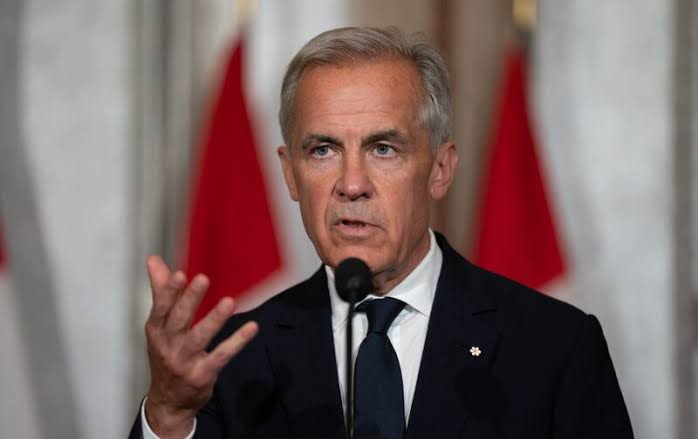
In retribution for what he described as “unequal treatment” of US autos, dairy products, and alcohol, US President Donald Trump has levied a 50% duty on a variety of commodities imported from Canada. Among the products targeted are common consumer goods like wine and hockey sticks as well as industrial commodities like cement. Nonetheless, a number of important exports, including fish, oil, potash, and vital minerals, will be spared. In response, Prime Minister Mark Carney stated that Canada was prepared to “intensify” trade negotiations with the United States in the upcoming weeks.
According to the White House, the responsibilities will begin in 30 days. Trade tensions between North America’s neighbors have significantly increased as a result. Since Trump took office again in January 2025 and unleashed a broad global tariff program, sometimes to achieve goals unrelated to trade, these tensions have been simmering. Tariffs are levied by businesses that bring in foreign goods and are paid to the government. Many of Trump’s tariffs imposed worldwide under emergency powers were declared unlawful by the US Supreme Court earlier this year.
However, Trump has recently looked for alternative legal channels to carry out his plan, and his most recent move on Monday night makes use of a separate, obscure law that hasn’t been tried in court. One of the few nations to retaliate against Trump’s tariffs last year was Canada, one of the US’s closest economic allies. On roughly C$30 billion (£16 billion; $21.7 billion) worth of US goods being imported into Canada, it imposed a 25% charge of its own. Later on, Carney dropped a few of them.
Also Read:
FIFA Global Citizen Education Fund will Receive $5 Million From the UAE
In Abu Dhabi, Scammers Con a Man Out of Dhs15,566 with a Fictitious Leasing Agreement
About Author