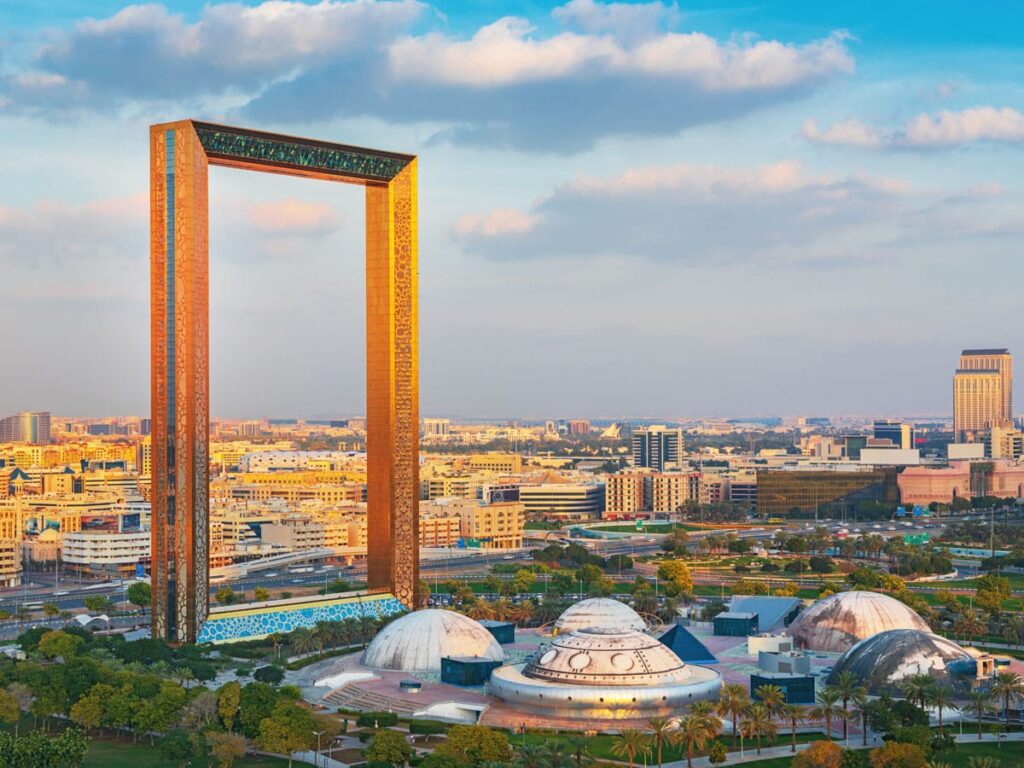
Dubai was the most popular location in the Middle East for British vacationers last year, with almost 1.3 million visitors. However, the tourism sector has been impacted since February 28. Tehran launched missiles and drones carrying 90 kg of explosives at important UAE economic facilities, such as the main airport and hotels, within hours after the initial US-Israeli strike on Iran on February 28. Dubai, seen for decades as a safe and serene haven offering guaranteed sunshine and indulgence, now finds itself on the Foreign Office no-go list – even for airline passengers who merely plan to change planes.
Ministers are fast to impose travel restrictions but sluggish to lift them, according to experience during the Covid epidemic. But eventually, the warning against traveling to the UAE will undoubtedly be removed. The question is how fast and fully Dubai’s struggling tourism sector, which was valued at an estimated £30 billion last year, recovers. Influencers will be crucial to regaining trust, according to writer and security expert Ash Bhardwarj, who spoke on The Independent’s daily travel podcast.
He stated, “The UAE, especially Dubai, has been very effective at using influencers and content creators to promote a lifestyle of safety, luxury, and low tax.” In order to draw talent and investment, such messaging has frequently been positioned in opposition to locations like the UK, particularly London. “Those that promote Dubai are highly motivated to keep enhancing that perception. It’s similar to Bitcoin in that you want it to continue rising.
Also Read:
Issam Mhanna: Turning Every Space into Timeless Experiences
Ajman Records its Highest-Value House Sale at Dhs185 Million
About Author