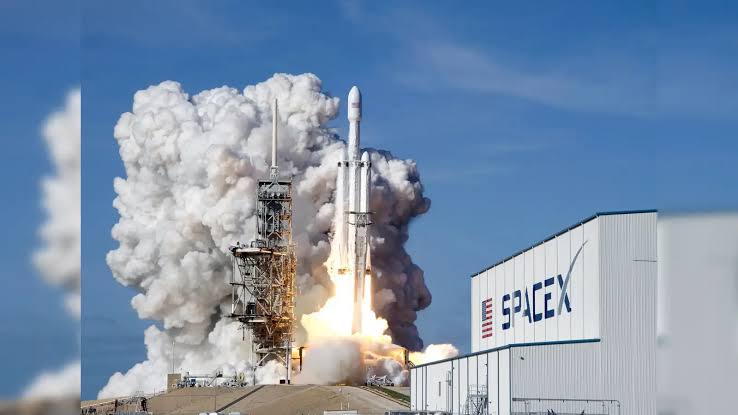
Following a three-session sell-off that erased almost $600 billion from the company’s market value, shares of Elon Musk’s SpaceX fell even further on Tuesday. The highly valued technology sector is expected to prolong the decline. The shares of the rocket and AI business dropped 1.9% to $151.6 early on Tuesday. The stock fell 5% to as low as $146.88, falling short of its starting price of $150 on the day of its market debut. In its first week as a publicly traded firm, SpaceX’s record-breaking IPO sparked a trading frenzy during which it momentarily overtook Amazon and Microsoft in market valuation before pulling back. At the time, SpaceX was valued at $1.99 trillion.
“I wouldn’t consider this to be a second-chance purchase opportunity. According to Nic Puckrin, a cross-asset analyst and the founder of Coin Bureau, “the decline appears dramatic in scale, but these swings aren’t unusual for a stock with such a small public float.” The current price of the company’s shares is over 10% more than the $135 IPO price. Large initial public offerings (IPOs) sometimes experience early market turmoil. Approximately 75% of the time, investors would have been better off purchasing an S&P 500 index fund rather than participating in a large IPO, according to a Reuters analysis of 50 IPOs with the highest valuations over the previous five years. Additionally, earlier this week, SpaceX launched a bond issue.
In the meantime, futures following the tech-heavy Nasdaq 100 index fell 3.1%, suggesting a decline of more than 800 points. Reuters estimates that if the index declines 2.79%, its market value will plummet by $1.15 trillion. Chipmakers, who have been among the greatest beneficiaries of this year’s AI trade, also suffered significant losses. Advanced Micro Devices and Intel both saw 7.2% declines. The best-performing companies on the S&P 500 so far this year, memory chipmakers, saw a decline on Tuesday, with Micron Technology down 8.4%, SanDisk down 9.1%, and Western Digital down 7.5%. South Korean memory chip manufacturers also saw sharp drops.
As investor fears about increased AI spending intensified, six of the seven “Magnificent Seven” companies—the largest technology equities on Wall Street—were under pressure. Often referred to as hyperscalers, these companies have invested billions to expand their AI infrastructures, but more convincing proof that AI products can produce returns that justify the expenditure is still elusive.
Also Read:
Assam CM Says Air India Will Start Direct Flights From Guwahati to Dubai and Abu Dhabi on August 4
According to Gergawi, Dubai is a Global Model of Civility
About Author