
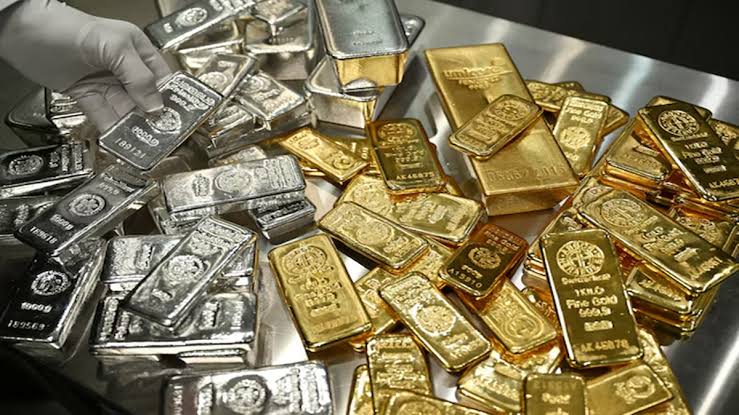
Increased geopolitical instability is expected to boost precious metals, according to conventional market thinking. However, the reverse has happened. Both gold and silver are still under persistent bearish pressure despite the resurgence of international tensions; gold is currently trading about 29% below its annual high, while silver is down about 50%. The discrepancy illustrates how macroeconomic factors predominate over conventional safe-haven demand. Expectations that interest rates will stay higher for longer have been strengthened by the US dollar’s resilience, which has kept it above the 100 mark, and the US Treasury yields’ return to their annual highs. Non-yielding assets like gold and silver still struggle to attract investors in such an atmosphere.
A similar narrative can be found in market positioning. About 70% of traders are still long gold, while just 30% are short, according to FOREX.com customer statistics. This indicates that even if prices are still technically trapped below important resistance levels, retail investors are still expecting a recovery. In the meantime, total trading activity has progressively decreased since April, which is indicative of both market exhaustion after the protracted downturn and the seasonal slowdown usually observed during the summer months. However, a more significant picture is beginning to emerge behind the short-term weakness. Technically speaking, both metals are getting closer to price zones that have traditionally indicated significant changes in the direction of the market rather than typical support levels. Silver is approaching a technical area that served as multi-decade resistance between 1980 and 2024, while gold is testing a 10-year rising trendline that dates back to 2016.
Also Read:
Trump Rejects the Hormuz Charge Plan in Favor of Investment Agreements in the Gulf
About Author