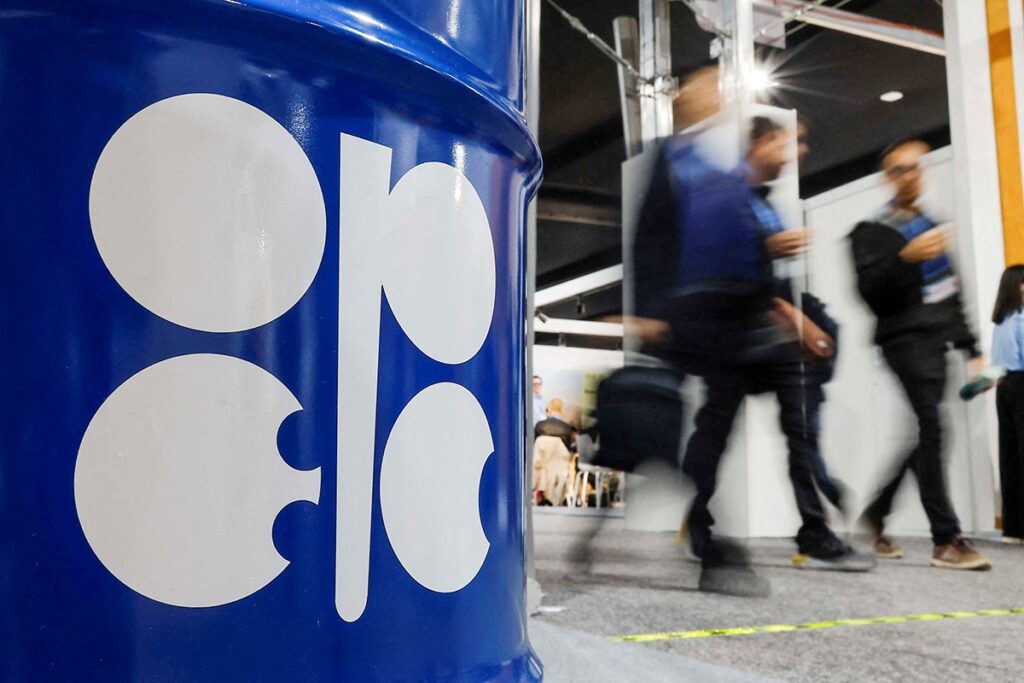
Even though some of the group’s members are still unable to expand their oil production due to the US conflict with Iran, OPEC+ decided on Sunday to raise its oil output targets for the fourth time in as many months.
Since the end of February, major OPEC+ members have been unable to fully supply consumers because to the war’s reduction of oil flows via the Strait of Hormuz, resulting in the largest supply crisis in history. When the United Arab Emirates exited the Organization of the Petroleum Exporting Countries after nearly 60 years, the issue for OPEC+ got worse. From April to June, the output quotas of seven core members of OPEC+—a coalition of OPEC and its allies, including Russia—were raised by about 600,000 barrels per day.
According to a statement from OPEC, the seven members resolved on Sunday to raise objectives by 188,000 barrels per day starting in July. This is the same as the June raise, which was lowered to account for the UAE exit from monthly increases of 206,000 bpd in May and April.
According to the deal, Iraq’s oil output limit would rise by 26,000 barrels per day starting in July, an oil ministry spokesperson told the country’s official news agency. According to Jorge Leon, a former OPEC official and analyst at Rystad, “an increase in OPEC+ production means very little while the Strait of Hormuz remains closed.
Also Read:
Suraj Puthane | AI-Driven Business Oversight For Modern Owners
Bassel Babbili’s Journey To Shaping Modern Real Estate Advisory
About Author