
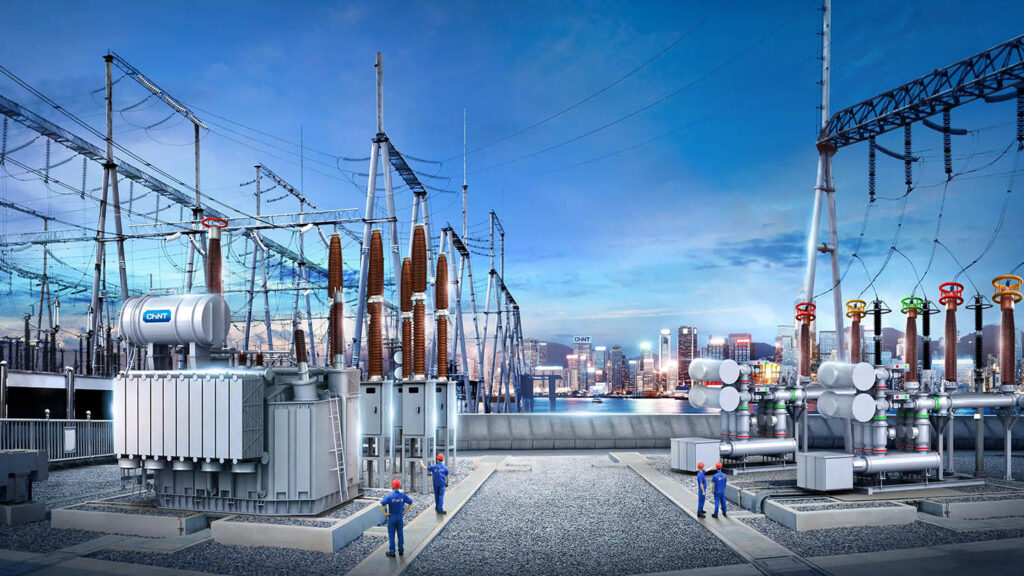
The UAE’s electricity infrastructure is entering a period of significant change. Growing cities, large industrial developments, digital infrastructure, and the increasing contribution of renewable energy are all placing new demands on the power network. At the same time, electricity users expect a stable supply with minimal interruptions. Meeting these expectations requires more than additional generation capacity. The transmission and distribution network must also be capable of moving electricity efficiently and reliably across different parts of the country.
Power transformers are an important part of this infrastructure. They allow electricity to be transferred between different voltage levels, making long-distance transmission and local distribution possible. As the UAE continues to expand and modernize its power network, working with experienced power transformer suppliers can help utilities and project developers select equipment suited to changing loads, renewable energy integration, and demanding operating conditions. Appropriately designed transformers can help manage these requirements while supporting efficient and reliable power transmission.
Why Are Power Transformers Important to the UAE Power Grid?
Electricity generated at a power plant generally needs to be transmitted at high voltage before it can travel efficiently over long distances. Near demand centers, the voltage is then reduced through substations and distribution equipment so electricity can be delivered safely to businesses, industrial facilities, and other users.
Power transformers perform this critical voltage conversion. Their role becomes particularly important as transmission networks expand and new substations are developed. In Dubai, for example, DEWA has continued investing heavily in transmission infrastructure. Recent projects include new 132 kV and 400 kV substations, along with extensive transmission cable and overhead-line development.
For the UAE, this means transformer technology has to support an electricity system that is becoming larger, more interconnected, and more sophisticated.
How Are Transformers Supporting the UAE’s Renewable Energy Growth?
The UAE is steadily increasing its reliance on clean energy, particularly solar power. This creates new requirements for the electrical network because renewable generation can be located away from major consumption centers and may have different generation patterns from conventional power sources.
Transformers help connect renewable generation facilities to the wider electricity network by stepping voltage levels up or down as required. They also support the transmission of electricity from generation sites toward areas where demand is concentrated.
Dubai’s energy infrastructure illustrates the scale of this transition. DEWA reported that its installed generation capacity reached 17,979 MW at the end of 2025, including 3,860 MW from clean energy sources. It also plans to increase total installed generation capacity beyond 23 GW by 2030, with around 8.3 GW coming from renewable sources.
As renewable projects continue to expand, dependable transformers will remain an essential part of integrating new generation into the grid.
What Makes a Transformer Suitable for a Modern Grid?
A modern transformer needs to do more than simply change voltage. Reliability, efficiency, thermal performance, insulation, design quality, testing, and suitability for the intended application all matter when selecting equipment for critical power infrastructure.
Operating conditions also need to be considered. UAE projects can involve demanding environmental conditions, high temperatures, large variations in electrical loads, and strict requirements for operational continuity. Transformer designs therefore need to be matched to the specific project rather than selected solely on basic voltage and capacity requirements.
TARIL’s UAE product portfolio includes power transformers, distribution transformers, reactors, rectifier transformers, furnace transformers, and special transformers. Its UAE distribution transformer range extends up to 10 MVA and 33 kV, while its power transformer offering is listed up to 1200 kV and 500 MVA.
This range allows transformer selection to be aligned with different requirements across utilities, infrastructure, renewable energy, and industrial applications.
Can Smarter Transformers Improve Grid Reliability?
Reliability depends on the complete power system, but transformer design and asset management can make an important contribution. A well-designed transformer can help reduce unnecessary losses, maintain stable operation, and support consistent power delivery over its service life.
Maintenance and condition monitoring are equally important. Instead of waiting for equipment problems to cause an unexpected interruption, utilities and industrial operators can use inspections, oil testing, diagnostics, and asset-health monitoring to identify potential issues earlier.
This approach fits with the UAE’s wider move toward a more digitally connected electricity network. In July, the UAE Ministry of Energy and Infrastructure announced the Emirates Monitoring Center, which links the country’s four electricity utilities and provides real-time monitoring of the integrated power network. The system monitors indicators such as load, frequency, voltage, and power exchange across the Emirates National Grid corridor.
As grid monitoring becomes more sophisticated, the condition and performance of major electrical assets such as transformers become increasingly important.
Why Does Transformer Selection Matter for New UAE Infrastructure?
New infrastructure projects can have very different electrical requirements. A utility-scale renewable energy project may require high-voltage transformation for connection to the transmission network, while an industrial facility may need equipment designed around a particular production process and load profile.
Choosing the right transformer therefore requires consideration of voltage level, power requirements, load characteristics, installation conditions, cooling requirements, efficiency, maintenance needs, and expected operating life.
Working with experienced power transformer suppliers can help project teams evaluate these factors before equipment is specified. Manufacturers with established engineering and testing capabilities can also develop solutions around particular project requirements instead of relying only on standard configurations.
For UAE projects, experience with demanding operating environments is especially valuable. TARIL describes its UAE transformer solutions as being designed for utility, renewable-energy, infrastructure, and industrial applications, supported by custom engineering, R&D, manufacturing, and testing capabilities.
What Role Can Indian Transformer Manufacturers Play in the UAE Market?
The UAE’s growing power infrastructure creates opportunities for international manufacturers with relevant engineering and manufacturing expertise. Indian transformer manufacturers are increasingly positioned to serve projects beyond the domestic market, particularly where customers require a combination of technical capability, manufacturing scale, and application-specific solutions.
TARIL, formally Transformers and Rectifiers (India) Limited, is an Indian transformer manufacturer serving international markets. Its UAE presence highlights solutions for power transmission, distribution, green energy, and industrial applications. The company also reports manufacturing facilities in Gujarat and a portfolio covering several transformer categories.
For UAE customers, the key consideration should remain the suitability of the transformer for the project, supported by engineering capability, testing, quality processes, service support, and long-term reliability.
How Will Transformers Support the UAE’s Future Electricity Needs?
The UAE’s electricity network will continue evolving as renewable generation grows, cities expand, industrial activity develops, and electricity demand changes. Transmission investments and digital monitoring are already moving the grid toward a more interconnected and responsive model.
Transformers will remain one of the fundamental components supporting that transition. From high-voltage transmission networks to distribution systems and renewable-energy projects, the right transformer technology can help move electricity efficiently and reliably between different parts of the power system.
For developers, utilities, and industrial operators, the focus should therefore be on selecting transformer solutions that match current requirements while allowing the electrical infrastructure to adapt to future demands. As the UAE continues building a smarter and more sustainable energy system, dependable transformer technology will be an essential part of that progress.
FAQs
What is the main function of a power transformer?
A power transformer changes electricity from one voltage level to another. This allows electricity to be transmitted efficiently at higher voltages and then reduced to appropriate levels for distribution and use.
Why are power transformers important for renewable energy projects?
Renewable energy facilities often need to connect their generated electricity to transmission or distribution networks. Transformers help increase or decrease voltage as required, making them an important part of connecting renewable generation to the wider grid.
What should UAE businesses consider when choosing a transformer?
Businesses should consider voltage and capacity requirements, load characteristics, operating conditions, efficiency, cooling, installation requirements, maintenance, testing, and expected service life. The transformer should be selected according to the specific application rather than capacity alone.
Are Indian transformer manufacturers supplying solutions to the UAE?
Yes. Indian manufacturers serve international markets, including the UAE. TARIL has a dedicated UAE presence and offers power, distribution, furnace, rectifier, reactor, and special transformer solutions for different applications.
How can transformer maintenance improve grid reliability?
Regular inspections, diagnostics, oil testing, and asset-health monitoring can help identify developing problems before they lead to major equipment failures. Preventive maintenance can support longer equipment life and reduce the risk of unexpected downtime. TARIL also lists transformer diagnostics, oil analysis, repair, refurbishment, upgradation, and asset-health monitoring among its services.
About Author