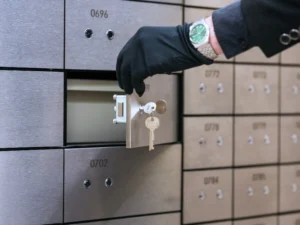

Moving crypto assets from exchanges to personal custody is a significant mental shift for many transitioning from traditional finance. In conventional systems, banks and financial institutions are seen as the safest custodians of money. This mindset carries over into crypto, where exchanges often feel like the most secure option—despite the risks.
The reality is different. Holding assets on a blockchain means embracing full ownership: not your keys, not your crypto. The 12-word recovery phrase for a wallet isn’t just a backup it’s the sole key to access. Recently, a delayed payout from a traditional investment, still unresolved after five weeks, highlighted the inefficiencies of legacy systems. In contrast, crypto offers autonomy, speed, and transparency.
The October 10 market crash served as a stark reminder of exchange-related vulnerabilities. A sudden $19 billion was wiped out in minutes, following President Donald Trump’s new tariffs on China, triggering rapid sell-offs. The speed and scale raised concerns about potential manipulation by platforms and market makers, reinforcing the need for self-custody.
Encouraged by these events, I began transferring my Bitcoin to cold storage. Each transaction felt nerve-wracking pressing “send” with full responsibility was a new experience. Soon after, a reader reached out, applauding the move but suggesting the next step: running my own node.
Also Read:
According to the CEO, Dubai Airport will Reach the 100 Million Passenger Milestone in Two Years
About Author