When Yang Haiming retired from the coal mines at the age of sixty, he continued to labor. Rather, he entered a new field. Yang is a member of a generation of laborers that extracted coal from underground mines in Datong, China’s coal capital located in the northern province of Shanxi. Yang is now ahead of the shift his fellow colleagues are having to deal with as China promotes renewable energy over coal. He currently owns a restaurant that serves lamb skewers to visitors to the Yungang Grottoes, a historically significant monument from the sixth century that attracts millions of tourists each year and features Buddhist carvings in caverns.
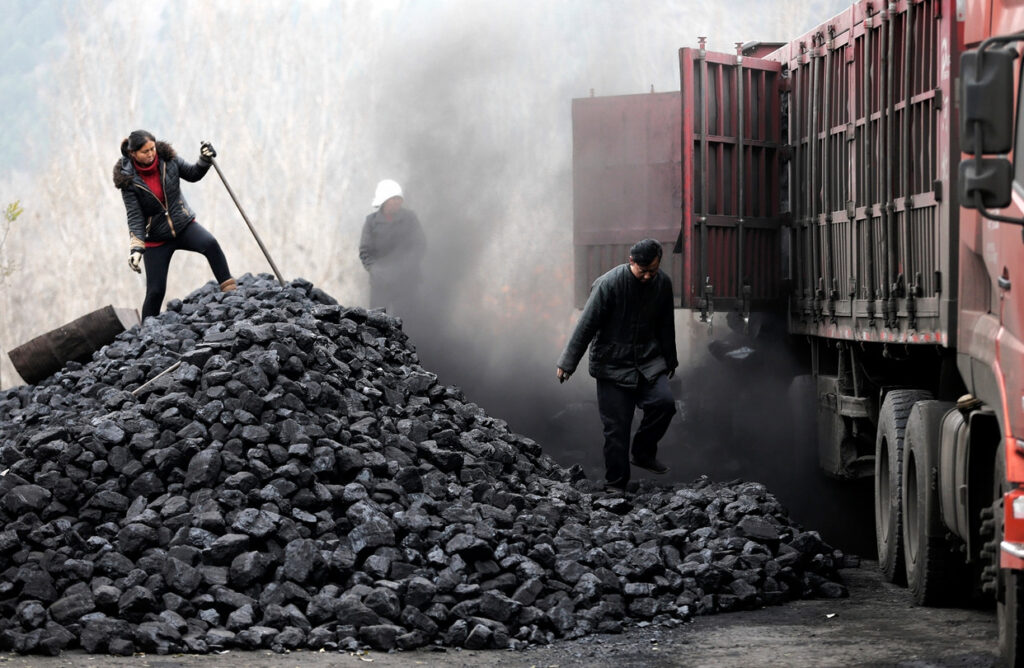
If Shanxi province were its own nation, it would be the world’s largest coal producer. In 2025, its 800,000 miners extracted 1.3 billion tons of coal, or almost one-third of China’s total. A few million more people are employed in industries like restaurants and logistics that indirectly depend on coal. Growing tourism is a key objective, and the province will experience significant change as China adds renewable energy so quickly that it covered nearly all of the country’s rise in power demand last year.
Experts say it’s critical to ensure coal workers don’t fall behind, which is a concern for many.Coal miner Zhou Hongfei stated, “It doesn’t seem like money is coming into this industry.” The coal firm constructed Yang’s hamlet close to the mine, known as No. 9, where its people would work, as is customary for China’s state-owned businesses. There used to be a school, a daycare, a sports facility, and thousands of workers and their families. Coal is transported to the rest of the nation by an elevated rail line.
Also Read:
Trump Says Tuesday’s Timeline to Reach an Agreement with Iran is Final
The UAE Syrian Business Council Opposes Violence on the Emirates’ Embassy in Damascus
About Author