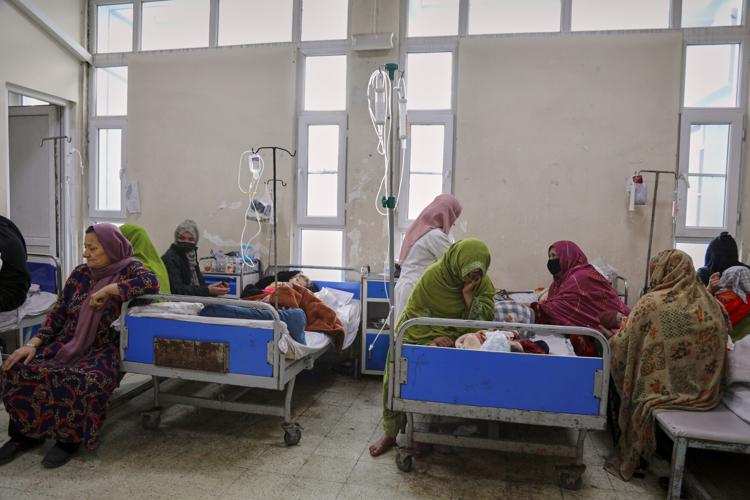
Abu Bakar was very malnourished, weighing only 6 kilos (13 pounds), or almost half of his proper weight. Nevertheless, he is fortunate because his family was able to get him to the Indira Gandhi Children’s Hospital in Kabul, where medical professionals are giving him life-saving treatment.Two-thirds of the nation suffer from acute malnutrition at a very critical or crisis level, posing a catastrophic nutritional crisis, according to John Aylieff, the World Food Programme’s Afghanistan Country Director. “This is the greatest increase in malnutrition the nation has ever seen. Additionally, 4 million children’s lives are at stake.
Afghanistan, devastated by forty years of war, has long been dependent on foreign assistance. However, after the Taliban took power in 2021, direct international help was abruptly stopped, leaving millions of people hungry and impoverished. A faltering economy, a severe drought, two major earthquakes in late 2025, and the homecoming of 5.3 million Afghans who were primarily displaced from neighbouring Pakistan and Iran have all contributed to the crisis.
Millions have now lost a lifeline due to financial reductions to humanitarian agencies, including the suspension of US assistance to initiatives like the WFP’s food delivery.The Associated Press quoted Aylieff as saying, “The aid cuts have been devastating.” Three out of four of the 4 million youngsters who suffer from severe malnutrition must now be turned away because “we simply don’t have the money.
Also Read:
Amanda Danielle Bloud: Transforming Ideas Into Unforgettable Signature Events
The Evolution Of Jasmina Rucic: Leadership, Vision, And Creative Brilliance
About Author