
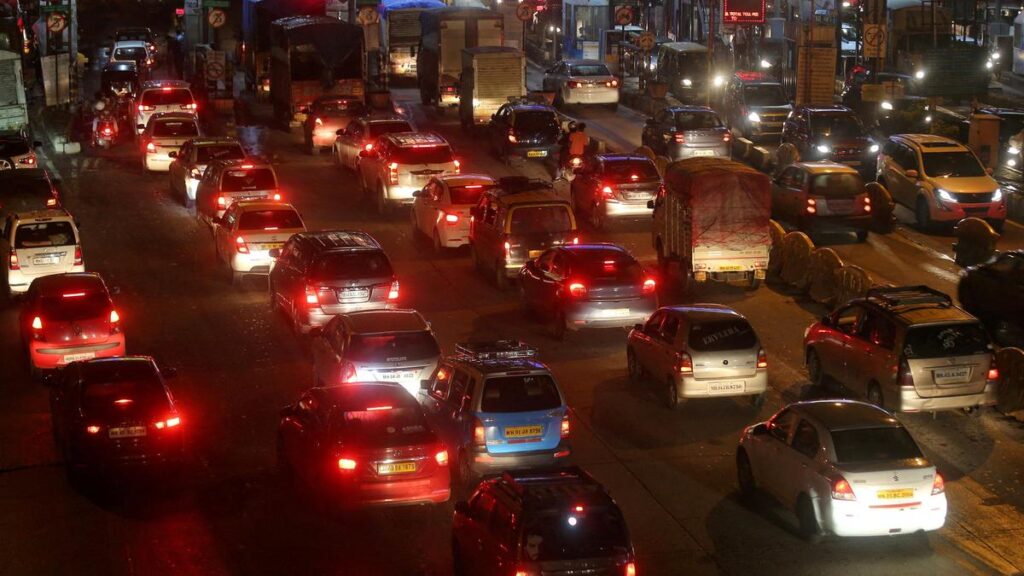
According to a government document, automakers Tata Motors and Mahindra & Mahindra claimed that a planned concession for tiny cars in impending fuel-efficiency regulations would only benefit one business, therefore the government decided to reject the idea.
A September draft had suggested a carve-out that was perceived as benefitting Maruti Suzuki, which holds a 95% market share in India, for gasoline-powered vehicles weighing 909 kg (2,004 lb) or less.
According to the most recent 41-page document reviewed by Reuters, India’s Power Ministry has eliminated the exemption and further tightened requirements, putting greater pressure on automakers to increase sales of electric and hybrid vehicles.
According to the document, the new regulations are intended to provide practical efficiency improvements, reduce excessive compensation for vehicle weight, and balance the playing field between producers of light and heavy fleets. It further stated that they implement “a substantially steeper reduction pathway” for emissions.
A request for a response from the power ministry was not answered. About 12% of India’s energy consumption is in transportation, which also accounts for significant carbon emissions and petroleum imports. According to the report, nearly 90% of transportation-related emissions come from passenger cars.
Also Read:
Amanda Danielle Bloud: Transforming Ideas Into Unforgettable Signature Events
The Evolution Of Jasmina Rucic: Leadership, Vision, And Creative Brilliance
About Author