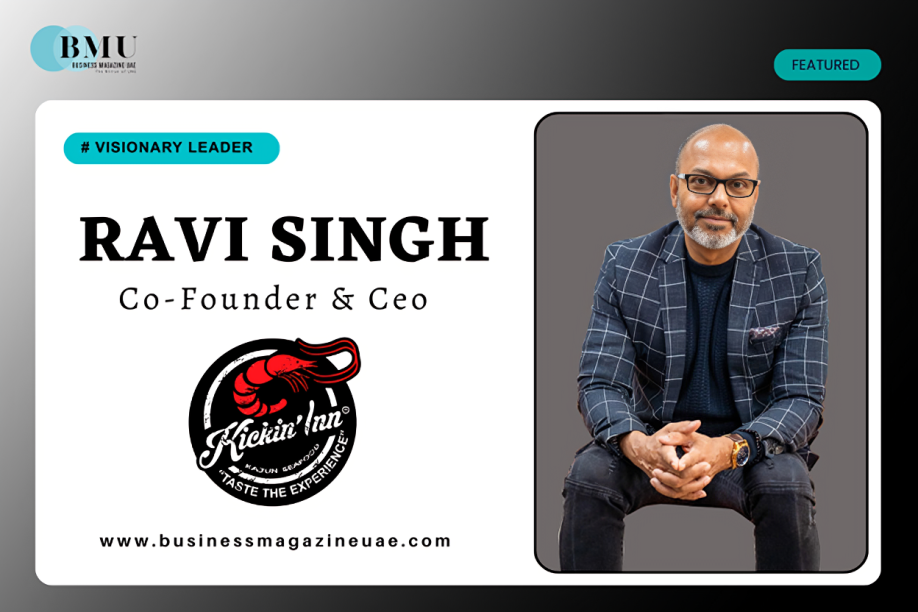
In this exclusive interview with Ravi Singh reflects on how artificial intelligence, shifting leadership models, and evolving consumer expectations are redefining modern hospitality. From building Kickin’Inn into a high-energy, people-first brand to navigating an AI-driven future, he shares why technology must amplify culture, not replace it, and why belonging, warmth, and human connection remain the industry’s strongest currency.
AI’s Role in the Future of Hospitality
With artificial intelligence rapidly transforming industries worldwide, we asked Ravi Singh how he sees AI reshaping hospitality over the next five years beyond automation and efficiency.
We asked: “Artificial intelligence is rapidly transforming industries worldwide. How do you see AI reshaping the hospitality sector over the next five years beyond automation and efficiency?”
“Over the next five years, AI will reshape hospitality by changing how brands sense, predict, and personalise, not just how they automate. The biggest shift will be decision-making at speed. Restaurants will move from “reporting what happened” to “predicting what’s about to happen” across sales, demand, staffing, menu mix, and guest behaviour. That means fewer reactive decisions and more proactive leadership, preventing problems before they show up on the floor.
AI will also reshape marketing and discovery. Search is evolving, social platforms are evolving, and guests are being influenced by algorithms more than billboards. Hospitality brands will need to win in what I call the “attention economy”, where content, reviews, community and digital presence drive foot traffic. AI will help us understand what stories resonate, which offers convert, and how to build momentum with precision. It’s not “more posting”, it probable is smarter posting, right message, right time, right audience.
We’ll also see AI influence menu innovation and supply chain strategy, forecasting demand for certain items, identifying waste drivers, and protecting margin. In hospitality, margin protection is survival. AI will help businesses manage volatility, cost swings, labour shifts, and consumer confidence changes, without compromising quality.
But here’s the core: hospitality is emotional. The future isn’t robotic service, it’s hyper-human service supported by intelligence. The brands that win will use AI to remove friction, deepen personalisation, and improve consistency, while keeping the vibe, warmth, and experience at the centre. AI will become a competitive equaliser, but culture will remain the true differentiator.”
People-First Leadership in an AI-Driven World
As the conversation moved from technology to leadership, we asked Ravi where AI should support leaders and where human empathy and judgment must always remain central.
We then followed up by asking: “You are known for a people-first leadership philosophy. Where should AI support leadership, and where must human empathy and judgment always remain central?”
Ravi Singh explained, “AI should support leadership where leadership needs clarity, data, patterns, and foresight. It should help us see blind spots, test assumptions, and make faster, more informed decisions. For example, AI can highlight performance patterns across restaurants, identify training gaps, flag operational risks, and help us understand customer sentiment at scale. That’s powerful because leaders often operate under pressure, and pressure can create noise. AI can reduce noise and improve signal.
Where AI should not lead is anything that requires human meaning: trust, motivation, conflict resolution, values, and moral judgment. You can’t automate dignity. You can’t outsource empathy. When a team member is struggling, when a leader has to make a call that affects someone’s life, or when culture is under threat, AI can inform, but a human must decide. People don’t follow dashboards. They follow belief, standards, and emotional safety.
I look at it like this: AI can be the analyst, but the leader must be the compass. It can tell you what’s happening; it cannot tell you who you must be. Hospitality is built on micro-moments: how you greet someone, how you handle disappointment, how you coach performance without breaking confidence, how you create belonging. Those are human skills, and they define whether technology becomes an accelerator or a weapon.
So my philosophy is balance: use AI to create consistency, intelligence and speed, then use human leadership to create meaning, connection and pride. If we keep the human experience sacred, AI becomes a multiplier. If we lose that, we might get more efficient, but we’ll become forgettable.”
Technology, Data, and Culture at Kickin’Inn
To see how this balance plays out in practice, we asked Ravi how these ideas are applied on the ground at Kickin’Inn.
We also asked: “How is Kickin’Inn currently using digital tools or data-driven insights to enhance team performance and customer experience while protecting its culture?”
Ravi Singh reflected, “At Kickin’Inn, we’ve always been a high-energy brand built on vibe, love, and culture. Digital for us is not about becoming “techy”, it’s about becoming smarter while keeping the soul intact. We use data and digital tools to sharpen execution, protect consistency, and elevate the guest experience, without turning our people into robots.
From a performance perspective, we focus on what matters: sales drivers, service rhythm, throughput, customer feedback, and team capability. Data helps our leaders identify what’s working and what needs coaching, fast. Instead of waiting for a month-end report, we can see trends early and respond with training, resourcing, and operational tweaks that protect both guest satisfaction and business performance. It’s practical: the right insights at the right time so leaders can lead, not guess.
From a customer experience angle, digital plays a major role in how guests discover us, engage with us, and stay connected with us. We pay attention to social signals, review trends, campaign performance, and customer behaviours, because modern hospitality is influenced online before it’s experienced in-store. Digital helps us understand our fans and what they value, so we can keep improving, without losing our brand DNA.
But culture is non-negotiable. Protecting culture means we never let data replace relationships. We don’t measure people to control them, we measure to support them. Our focus is to build capability, confidence and consistency, while keeping the Kickin’Inn experience fun, bold, and human. Technology is a tool; our people are the brand. When digital is anchored in values, it strengthens culture instead of diluting it.”
Advice for the Next Generation of Leaders
Finally, looking ahead, we asked Ravi Singh for guidance on how emerging leaders can navigate the balance between emotional intelligence and technological capability.
Finally, we asked: “What advice would you give emerging leaders on balancing emotional intelligence with technological capability in an AI-driven business landscape?”
Ravi Singh mentioned, “My advice is simple: become bilingual, speak human, and speak digital. Emotional intelligence is not a ‘soft skill’ anymore; it’s a leadership advantage. In an AI-driven world, technology will become common. What will stay rare is a leader who can build trust, inspire belief, and create a culture where people perform at their best.
First, master the fundamentals of human leadership: listen properly, coach with clarity, give feedback with respect, and set standards without ego. Your team must feel seen, safe, and challenged. If you can’t lead humans, AI will not save you, because hospitality is executed by people under pressure, in real time, in front of customers.
Second, don’t fear the tech; learn it. You don’t need to be a coder, but you must understand the logic of data, systems, and AI tools. Know how to ask better questions, interpret insights, and make decisions with evidence. The leaders who win won’t be the ones with the most information; they’ll be the ones who turn information into action.
Third, protect your values. AI will tempt leaders to optimise everything. But not everything should be optimised. Some things should be protected: team morale, customer warmth, fairness, and integrity. Use AI to remove friction, improve consistency, and lift capability, but never use it to remove humanity.
Finally, stay curious and stay grounded. The future belongs to leaders who can evolve quickly without losing their identity. Build your emotional muscle, sharpen your digital edge, and remember this: technology scales execution, but culture scales greatness.” He replied truthfully.
Connect with Ravi Singh on LinkedIn. Find Kickin’Inn Australia on LinkedIn and their website https://www.kickininn.com.au/.
Also Read:- Zubair Ahmed Sobani: Empowering Visionary Entrepreneurs to Succeed with ThinkVentures
About Author