
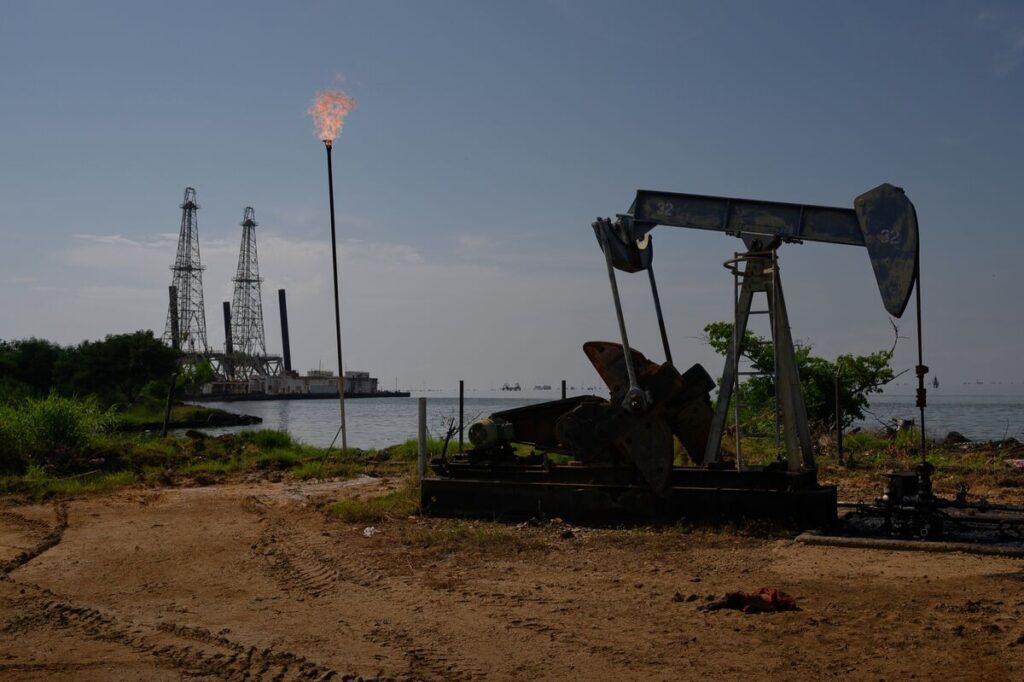
In response to one of the most dramatic geopolitical events in recent memory—the US military intervention in Venezuela over the weekend that led to President Nicolás Maduro’s capture—oil prices began the first full trading week of 2026 with a subdued response.
As investors considered whether the turmoil in Caracas may significantly change the supply-demand balance in a market already struggling with excess and muted demand growth, benchmarks like Brent crude and WTI both slightly decreased.
Although early trading indicated that traders saw no near-term impact, the Wall Street Journal and other publications emphasized that markets were awaiting clarification on the implications of the US action on the oil supply. The US standard, West Texas Intermediate, has remained in the mid-$50s, while Brent, the global oil benchmark, has hovered around $60 per barrel, continuing the downward trend that made 2025 one of the worst years for crude in five years.
Analysts note that Venezuela currently contributes very little to the world’s oil production. Due to poor management, sanctions, and deteriorating infrastructure, Venezuela’s output has declined sharply over the past 20 years, leaving it at less than 1% of the world’s oil supply despite holding 17–20% of proven reserves.
Also Read:
Syed Noor: Curating Global Luxury Fragrances At Emirates Fragrance
Akshar Holdings & Pritesh Patel: Pioneering Sustainable Property Investment Solutions
About Author